

reset
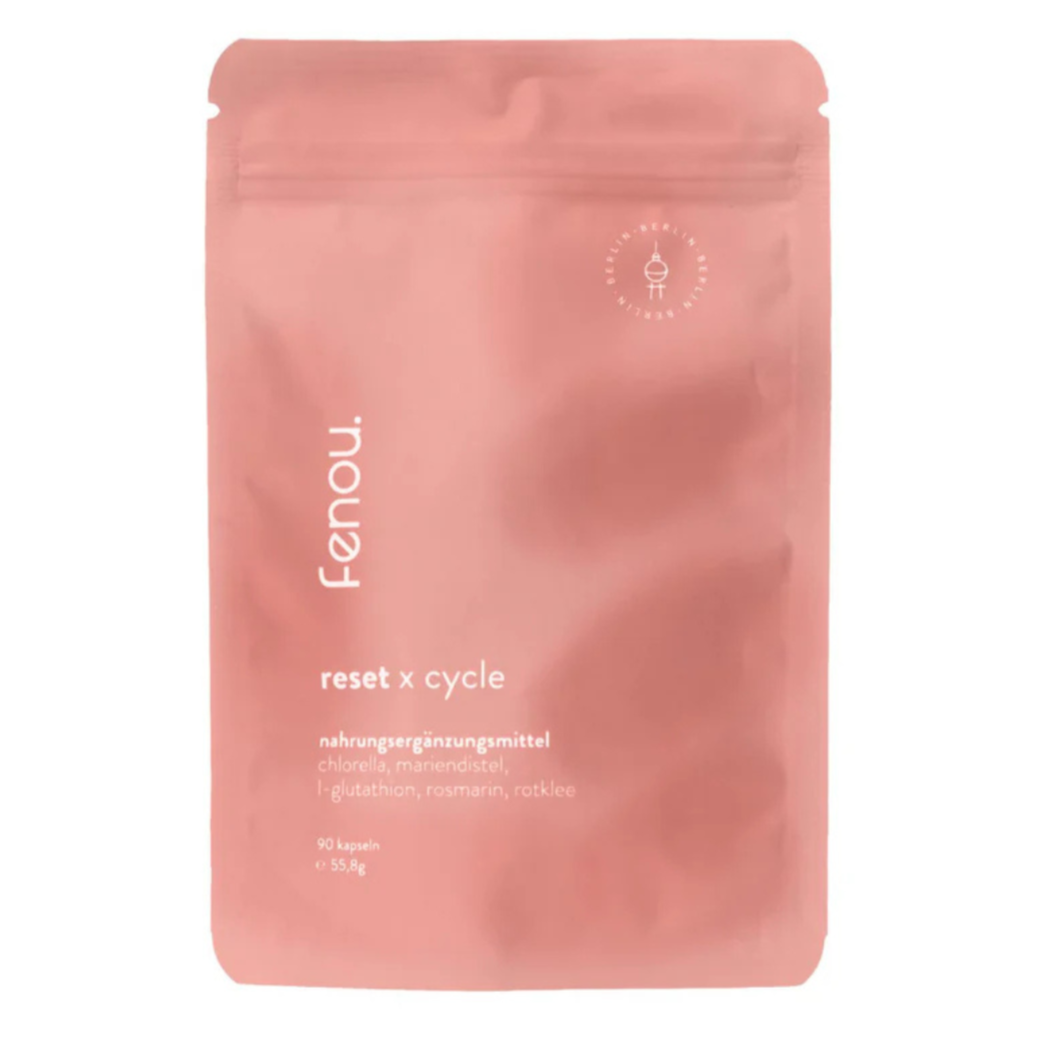
You are using hormonal contraceptives or want to leave them behind? But you want to avoid side effects? We know how.
Hormonal contraceptives such as the pill have a wide range of side effects on the gut, liver, thyroid, mental health, metabolism and nutrient supply. Even after stopping, hormonal imbalances may lead to effects such as excess testosterone with hair loss or skin problems, or irregular cycles.
The unique formula of reset supports you with all nutrients whose requirements are increased by pill use.
16 different vitamins and minerals provide optimal support for healthy skin (zinc)* and hair (selenium), normal mental function (vit B12), immune system function (vit C)* and a balanced hormone system (vit B6)*. Ingredients such as choline, milk thistle and chlorella support liver function.
Become one of the many enthusiastic customers who have transitioned into a natural cycle without synthetic hormones and without annoying side effects.
Read more about the effect of reset and the needs after stopping the pill in fenou’s magazine.
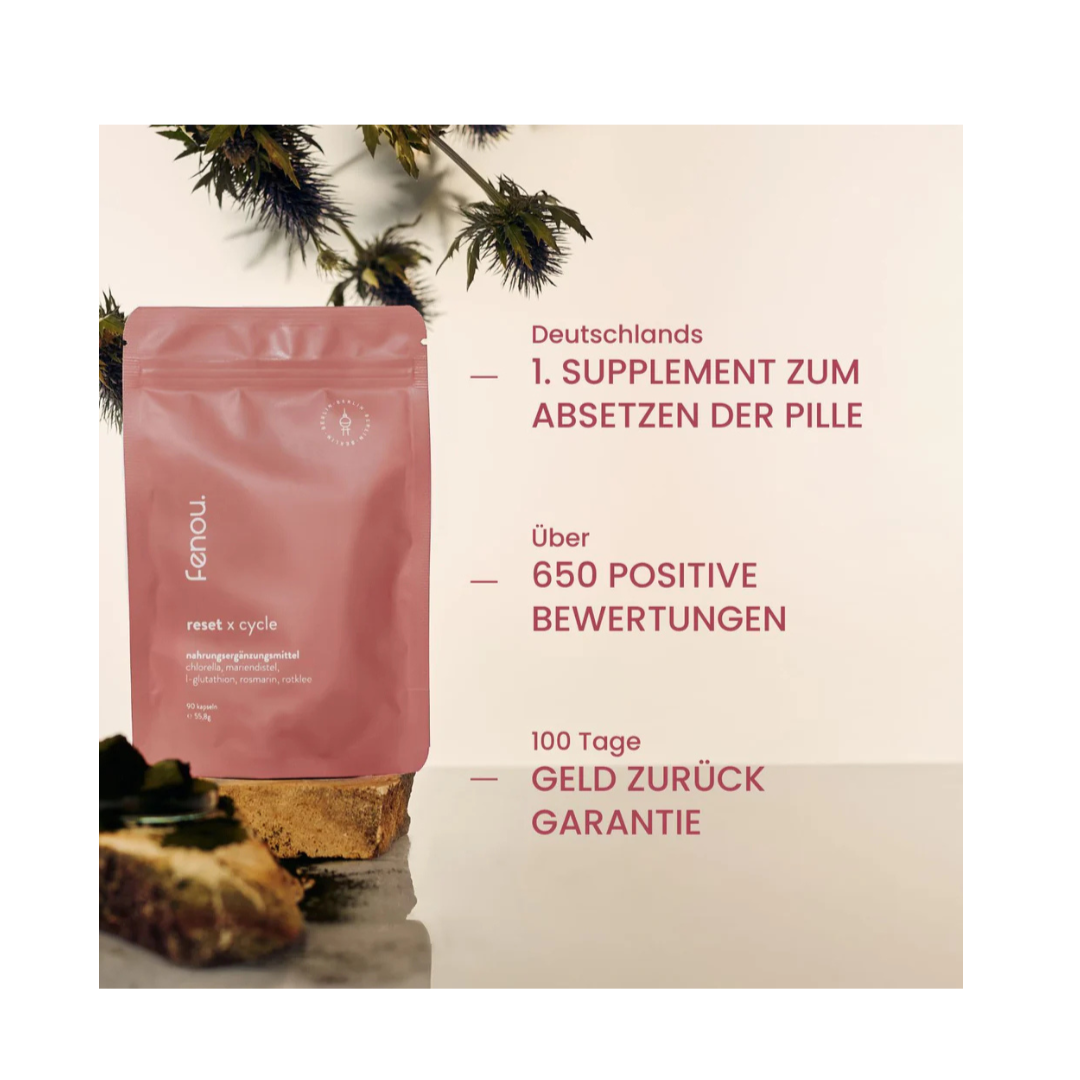
What makes the product special
Based on the latest scientific studies.
Developed by experts and recommended by doctors.


-
QUANITITY
Take 3 capsules daily with sufficient water. One pouch of reset contains 90 capsules. This corresponds to a one-month supply.
DISTRIBUTIONIdeally, take the capsules with a meal and at the same time each day.
DURATION OF USE
For maximum effect, we recommend taking it as a course for up to 3 months, particularly after stopping the pill or even while still taking it.
Note: Please store our product in a cool, dry place protected from light and out of reach of children. Do not exceed the recommended intake. Not suitable for pregnant or breastfeeding women. Consume vitamin A during pregnancy only after consulting a doctor. Also seek medical advice before consuming products containing isoflavones and do not exceed the daily maximum amount of 43.5 mg red clover isoflavones.
-
One pouch of reset contains 90 capsules. This corresponds to a one-month supply.
Shipping within Germany costs €4.90 and is free for orders over €50. Shipping within the rest of the EU costs €7.90 and is free for orders over €70. Shipping to Switzerland costs €17.90 (including customs fees) and is free for orders over €90.
Within Germany you will usually receive your order within 3–5 working days; delivery to other European countries takes 6–8 working days.
-
- Biotin, niacin, riboflavin, vitamin A and zinc contribute to the maintenance of normal skin. Biotin, selenium and zinc contribute to the maintenance of normal hair.
- Biotin, iron, magnesium, manganese, niacin, pantothenic acid, riboflavin, vitamin B1, vitamin B6, vitamin B12 and vitamin C contribute to normal energy metabolism.
- Biotin, folate, magnesium, niacin, vitamin B1, vitamin B6, vitamin B12 and vitamin C contribute to normal psychological function.
- Iron, folic acid, selenium, vitamin A, vitamin B12, vitamin B6, vitamin C and zinc contribute to the normal function of the immune system.
- Selenium contributes to normal thyroid function. Pantothenic acid contributes to normal synthesis and normal metabolism of steroid hormones, vitamin D and some neurotransmitters.
- Choline contributes to the maintenance of normal liver function.
- Vitamin B6 contributes to the regulation of hormonal activity.
- Zinc contributes to normal fertility and normal reproduction.
- Zinc contributes to the maintenance of normal testosterone levels in the blood.
100% vegan
Plant-based ingredients, gluten- and lactose-free, no additives
Laboratory tested in DE
Without pesticides and heavy metals, cruelty-free
Scientifically developed
Based on current studies and developed with experts
Recyclable materials
Sustainable refill system, biodegradable
High-quality active ingredients for your health
Developed with experts from the fields of gynecology, naturopathy and nutritional science. The selected ingredients are based on the latest scientific findings.
-
Chlorella is a microalga. In addition to its beneficial nutrient composition, studies have also shown liver-protective properties associated with an increase in reduced glutathione and antioxidant capacity. We use chlorella powder from organic cultivation.
-
Milk thistle (Silybum marianum) belongs to the daisy family. Its seeds contain the compound silymarin. The antioxidant, anti-inflammatory and liver-protective properties of silymarin have been investigated in numerous studies. The milk thistle seed extract we use contains 80% silymarin.
-
Rosemary leaf extract is made from the leaves of rosemary (Salvia rosmarinus).
-
Red clover (Trifolium pratense) belongs to the legume family and is rich in isoflavones. It is widely used in gynaecology. In animal and human studies, red clover has been shown to regulate oestrogen and progesterone balance, thereby easing menopausal symptoms and reducing the risk of breast cancer. Red clover also appears to have a positive effect on glucose metabolism.
-
Glutathione is a tripeptide and one of the most important antioxidants in our body. We use it in its reduced, active form. It functions as a scavenger of free radicals in all body cells and occurs in particularly high concentrations in the liver, where it is responsible for the liver’s detoxification function. The need for glutathione may be increased during periods of oxidative stress and high liver activity, for example when taking medication. In foods, glutathione is found mainly in fruits and vegetables, with asparagus often cited as a very good source.
-
The fruit of black pepper (Piper nigrum) is believed to improve the bioavailability and absorption rate of various pharmacologically active substances and is therefore often used as a complementary ingredient, for example in Ayurveda.
-
Biotin is an important component of many enzymes. A deficiency can therefore manifest in different ways. Hair loss, skin problems and even psychological symptoms can, for example, be consequences of biotin deficiency. Biotin is found in many plant-based foods, such as legumes, nutritional yeast flakes, whole grains, mushrooms and avocado.
-
Choline is a nutrient that must be obtained from food, yet intake is often insufficient in people with a uterus. Choline plays a significant role in many metabolic processes, especially in supporting the liver in its function of detoxifying foreign substances, such as synthetic hormones. Choline deficiency negatively affects inflammatory markers, which are additionally increased when taking the pill. Choline is found mainly in animal foods, but legumes (especially soybeans), seeds and nuts are also good sources.
-
Iron is an important cofactor for many enzymes and plays a significant role in the function of red blood cells. Large amounts of iron are regularly lost through menstrual bleeding. Important plant-based sources of iron include whole grains, legumes, nuts, seeds and kernels, dark green leafy vegetables and dried fruit. It is important not to consume these in combination with foods that inhibit absorption (e.g. coffee, black tea, green tea). It is better to combine them with foods rich in vitamin C or fruit acids.
-
Folic acid is stored in the body only in small amounts. The contraceptive pill increases the requirement for folic acid. After stopping the pill, it can take up to 3 months for normal blood levels to be restored. This is particularly important if the pill is discontinued due to a desire to conceive. Folic acid is found in many plant-based foods such as legumes, whole grains, wheat germ, dark green leafy vegetables, cabbage and nutritional yeast flakes. Since folic acid is a very sensitive vitamin, you should ensure that your diet includes fresh and minimally processed foods wherever possible.
-
Magnesium plays an important role in the function of the nervous system. Magnesium is found in many plant-based foods. Good sources include legumes, whole grains, seeds, kernels, nuts, dark green leafy vegetables and also mineral water.
-
Manganese is one of the minerals that are often lacking in the diet and have a particular impact on the sex hormone system. Manganese deficiency can, for example, reduce fertility and affect the health of skin and connective tissue. Manganese combined with calcium can reduce PMS symptoms. Foods such as whole grains, oats, legumes, nuts, wheat germ and seeds are good sources of manganese.
-
Selenium is part of antioxidant processes in the body and enables the function of thyroid hormones. A deficiency can manifest in many ways, and one potential consequence is fertility problems. German soils tend to be low in selenium; significant amounts are found, for example, in Brazil nuts, legumes and whole grains.
-
Zinc plays an important role throughout metabolism. Its function as a cofactor in countless metabolic pathways is especially important, as well as its role in the immune system, in the formation of sex hormones and in the healthy development of skin, hair, nails and mucous membranes. Zinc intake is generally considered critical, and requirements are further increased by taking the contraceptive pill. Good plant-based sources of zinc include legumes, whole grains, corn, oats, nuts and dark green leafy vegetables.
-
Vitamin A is necessary for the body’s own synthesis of sex hormones and is particularly important for the healthy protective function of the skin, tissue development including in the urinary and genital tract, and the healthy function of mucous membranes. The requirement for vitamin A can be increased by various factors such as stress, inflammation, high sun exposure, smoking or alcohol consumption. In plant-based foods, vitamin A is found in its precursor form as carotenoids. These are found in a wide variety of fruits and vegetables, especially in foods such as sweet potatoes, carrots, spinach, apricots and peaches.
-
The requirement for individual B vitamins is increased by taking the pill. Vitamin B1 has only a limited storage capacity in the body and therefore needs to be consumed daily. Vitamin B1 is important for the function of the nervous system and healthy psychological processes, supports effective wound healing and therefore contributes to healthy skin. You can find vitamin B1 in nutritional yeast flakes, whole grains, oilseeds such as sunflower or pumpkin seeds, as well as in legumes and potatoes.
-
Vitamin B2 is an important cofactor in the metabolism of the three main nutrients – protein, carbohydrates and fat. Its requirement is increased by taking the pill. Vitamin B2 deficiency is suspected to contribute to migraine and headaches associated with pill use. Good sources of vitamin B2 include mushrooms, nutritional yeast flakes, dark green leafy vegetables and nuts. Vitamin B2 is relatively sensitive to heat, but dissolves in water during cooking. So make sure to also use vegetable cooking water, for example as a sauce or broth.
-
Niacin plays an important role in the liver, particularly as an antioxidant. A deficiency can negatively affect both skin health and nervous system function. Possible consequences include headaches, anxiety, fatigue and more. Niacin can be formed in the body from tryptophan. You can find tryptophan in protein-rich foods such as nuts, legumes, whole grains and dark green leafy vegetables. Niacin is also found directly in legumes such as peanuts and cashew nuts, as well as, for example, mushrooms.
-
Pantothenic acid is involved in the formation of sex hormones and steroid hormones such as cortisol. It therefore plays a role in hormonal balance and the body’s stress response. A deficiency can manifest as fatigue and poor wound healing, among other symptoms. Pantothenic acid is found in many foods, such as legumes, whole grains, dark green leafy vegetables and nuts.
-
Vitamin B6 plays a role in serotonin metabolism. A high intake of animal, protein-rich foods further increases the requirement for vitamin B6. Good plant-based sources include potatoes, bananas, legumes, nutritional yeast flakes, dark green leafy vegetables and nuts. Make sure to include raw foods in your diet, as vitamin B6 is very sensitive to heat.
-
Vitamin C is one of the vitamins for which requirements are increased when taking oestrogen-containing preparations such as the contraceptive pill. You need vitamin C for various metabolic processes, including the immune system, thyroid function, liver function and for the healthy formation of skin, hair and connective tissue. Vitamin C is found in many fruits and vegetables, especially wild fruits such as sea buckthorn and rosehip, but also in citrus fruits, cabbage and even potatoes.
FAQs
-
All our products are 100% vegan.
-
Our products are fundamentally gluten-free. However, cross-contamination of allergens cannot be completely ruled out due to the production process.
-
The exact dosage recommendation for each product can be found on the back of the pack or above under "Use". We recommend consuming our products with sufficient liquid, ideally with a meal and at approximately the same time of day.
-
You can generally combine our products. reset can be combined with all products and should be consumed for a maximum of 3 months, while the other products should be consumed continuously until your hormone chaos is resolved. We only recommend that you pause consumption of the other products while you are taking relief and mood. The minerals and vitamins contained in relief are already highly dosed. Once you have finished relief and mood, you can continue with the other products as usual.
-
We encourage you to try our products for 30 days and therefore offer a 30-Day Satisfaction Guarantee.
If you are not satisfied, you can request a refund for one product of each product type within 30 days of receiving your order. To do so, please contact fenou's customer support team at support@fenou.de.
The refund will be issued to your original payment method for the amount paid for the product, minus the return shipping costs (€4.90 within Germany, €7.90 within EU countries, and €11.90 from Switzerland).
For unopened products, fenou will provide you with a prepaid return label to return the product.
Opened products do not need to be returned. You may keep them, give them away, or dispose of them.
Please note that the original shipping costs of your order are non-refundable.
If you have any more questions, please email fenou’s customer support at support@fenou.de
Over 65,000 happy women
who were able to solve their complaints with our products and are happy.
How can reset support you when stopping the pill?
reset is a plant-based food supplement in capsule form, developed specifically for stopping hormonal contraceptives.
Based on scientific studies and developed in collaboration with doctors, we created a unique formula with reset that supports hormonal activity (vitamin B6) and the liver (choline). reset replenishes nutrient stores and contributes to the production of a healthy energy metabolism (biotin, iron, magnesium, manganese, niacin, pantothenic acid, riboflavin, vitamin B1, vitamin B6, vitamin B12, vitamin C).*
reset brings together the best of nature with chlorella, rosemary, milk thistle, red clover and black pepper.
The pill increases the body’s need for folic acid, magnesium, selenium, vitamin B2 (riboflavin), vitamin B12, vitamin B6, vitamin E, vitamin C and zinc. Most pill users are unaware of this or do not ensure they meet these needs through their diet.
A balanced, nutrient-rich diet is essential, but not always realistic for everyone in every phase of life. We understand this, which is why reset contains these vitamins and minerals and a handful more.
reset also contains plant extracts that are used in medicine and naturopathy to support liver function. The liver has to break down the synthetic hormones of the pill every day and, even after stopping the pill, is involved in helping sensitive hormonal pathways return to optimal function.
Why should you stop taking the pill?
By taking the pill or using other hormonal contraceptives, such as the hormonal coil, you are continuously supplying your body with synthetic hormones. This affects your body’s own hormone system and also the entire metabolism.
A look at the patient information leaflet shows a long list of side effects. In addition, the pill is associated with various complaints.
Nutrient deficiency: The pill increases the body’s requirement for a number of nutrients. If these are not supplied through food or supplementation, deficiencies may occur, affecting skin and hair, as well as mental function or metabolic processes.
Inflammation: Taking the pill leads to increased inflammatory reactions in the body, measurable through elevated inflammatory markers in the blood. This affects various processes in the body, such as the release of stress hormones, serotonin balance, or cellular insulin sensitivity, which may lead to insulin resistance.
Disruption of hormonal pathways: The liver is responsible for breaking down both endogenous and synthetic hormones. By taking the pill, the production of several hormone-binding globulins increases. This leads to an imbalance in systems such as sex and thyroid hormones.
Leaky gut: The pill disrupts the gut microbiome and intestinal wall function, increasing the risk of leaky gut syndrome with consequences such as allergies, food intolerances or autoimmune reactions.
Adrenal fatigue: The pill and the inflammation it causes act as continuous stressors, to which the adrenal glands respond by producing stress hormones. Combined with other stressors, this may lead to long-term adrenal exhaustion.
Hypothyroidism: Because hormone-binding globulins increase, fewer free thyroid hormones remain available, which may lead to symptoms of hypothyroidism, such as fatigue, weight gain, hair loss, low mood and lack of drive.
Depression and mental symptoms: The pill can influence tryptophan metabolism and therefore serotonin and melatonin levels. This may affect mental wellbeing. Most of the effects described above also influence brain function and emotional state.
Which side effects may occur when stopping the pill?
After your body has been supplied daily with synthetic hormones from the pill, your hormone system must first regulate itself again, ramp up natural sex hormone production and reduce the production of binding globulins.
After stopping, it may take months until the body’s metabolic processes normalise.
Especially in the first months after stopping, hormonal complaints may occur due to a disrupted hormone system.
Oestrogen deficiency: Synthetic oestrogen disappears and natural production has not yet regulated – the result may include symptoms such as hair loss, dry skin, blemishes, and missed periods.
Oestrogen dominance: If natural progesterone production does not start properly, but oestrogen production is already active, relative or absolute oestrogen dominance may occur. This may be associated with complaints such as PMS, heavy bleeding, period pain and reduced fertility.
Testosterone deficiency: The pill suppresses androgen production. After stopping, androgen deficiency may occur, causing decreased libido, fatigue and reduced performance capacity.
Testosterone excess: The body may overreact with excessive metabolic responses. In the case of testosterone excess, this may cause symptoms such as hair loss, hirsutism (hair appearing in male-pattern areas), blemished skin, acne and cycle irregularities.